Featured
Table of Contents
With the right assistance and approaches in position, it is feasible to manage trauma and live a relaxed life. There are several means to recover from injury. At Westwind Recuperation, we have 10 suggestions on how to recover from trauma. These 10 suggestions on how to heal from injury consist of the following:.
Distressing occasions can have a long lasting effect on our mental and psychological well-being. The roadway to recovery may be long and tough, but healing and moving on are possible. When we consider trauma and trauma recovery, our preliminary ideas could go to veterans and first responders. Uniformed services are undoubtedly specifically most likely to come across potentially destructive stressful scenarios.
This "Home window of Resistance" differs from one person to another and can be impacted by trauma, tension, and various other aspects. In the 2nd stage, you share your tale of trauma with the therapist, placing words and sensations on the memory. The goal is to begin to recover from the injury and rebuild adverse ideas about the world, on your own, and relationships.
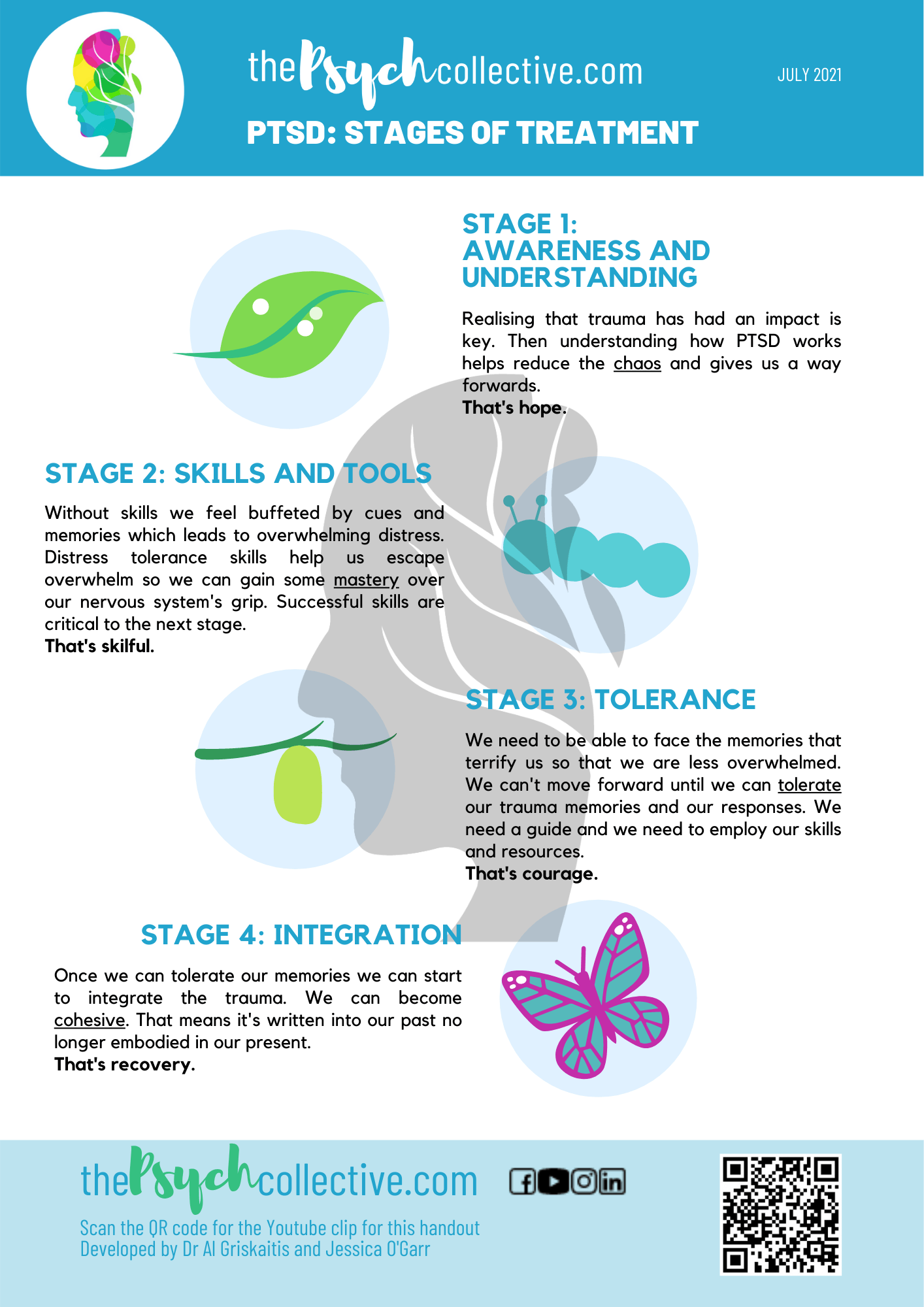
The last phase concentrates on reintegrating you into your day-to-day life and connections with a sense of empowerment and control. Throughout this phase, prioritizing self-care is vital.
Managing General Anxiety using EMDR in Calgary, AB
Although based on men, Herman's phases also apply to women and can be utilized with all sort of youngster misuse emotional or physical. These phases of injury are extremely comparable to the pain we experience upon losing somebody close. When unsafe childhood years past experiences take place, individuals commonly feel like they shed a part of themselves confidence, trust, masculinity/femininity, or satisfaction of life.
It can manifest as blocking out memories either unconsciously or deliberately by suppressing them, which calls for much psychological initiative. Throughout this phase, lots of people are generally in a state of confusion. They have actually not fully refined the impact of their injury. In this phase, the specific recognizes that something terrible has actually taken place yet tries to encourage themselves that it hasn't impacted them.
Using EMDR and Additional Healing Techniques

Throughout this phase, the individual accepts that the injury has affected them and was dangerous. Rage can be a beneficial tool in conquering trauma as it assists network bottled-up emotions and unfavorable self-talk. This stage can start to bring a feeling of alleviation and recovery. This phase is similar to the despair stage in Herman's injury recuperation model.
Reviewing what was lost can induce sensations of despair and discomfort. However, it can likewise bring strength and empathy towards others that have experienced comparable injury. Individuals in this stage are regularly delicate and might cry conveniently. With time, this sadness transforms right into recovery and self-confidence. Acceptance is the last of the injury reaction cycle.
Why ART Maintains Memory Content While It Reducing Emotional Pain
The terrible occasion becomes even more like a scar than an open wound in their life story. Strolling the road to recuperation can be a long and challenging trip. However, you can heal and recoup from assault, mishap, natural catastrophe, or various other traumatic experiences. It is crucial to keep in mind that every person's experience with trauma and recovery is distinct, and there is no set timeline for recovery.
Memories of a stressful case can be challenging to manage and can interfere with everyday life. Recognizing that preventing or suppressing unpleasant memories can prolong the recovery trip is vital. Rather, it's ideal to acknowledge and challenge the memories in a safe and controlled setting. This can be done via treatment or coping approaches of meaningful activities like mindfulness, journaling, and art treatment.
It's important to seek professional help if you are experiencing signs of PTSD or other mental health concerns. A psychological health and wellness expert can offer assistance, support, and treatment alternatives to help you handle injury signs and symptoms and improve your psychological health. Dialectical behavior modification (DBT) is developed to help you handle intense feelings and boost your general health.

Latest Posts
Later Life Concerns
The Recovery Story Continues Today Through Trauma Therapy
Processing Conflicting Parts With IFS Therapy in Singapore